WORKSHOP
W-4: Applying lessons learned from Oil & Gas Geophysics to Energy Transition Challenges
Friday, 21 August | 8:30 a.m.–12:00 p.m.; 1:30 p.m.–5:00 p.m. | TBD
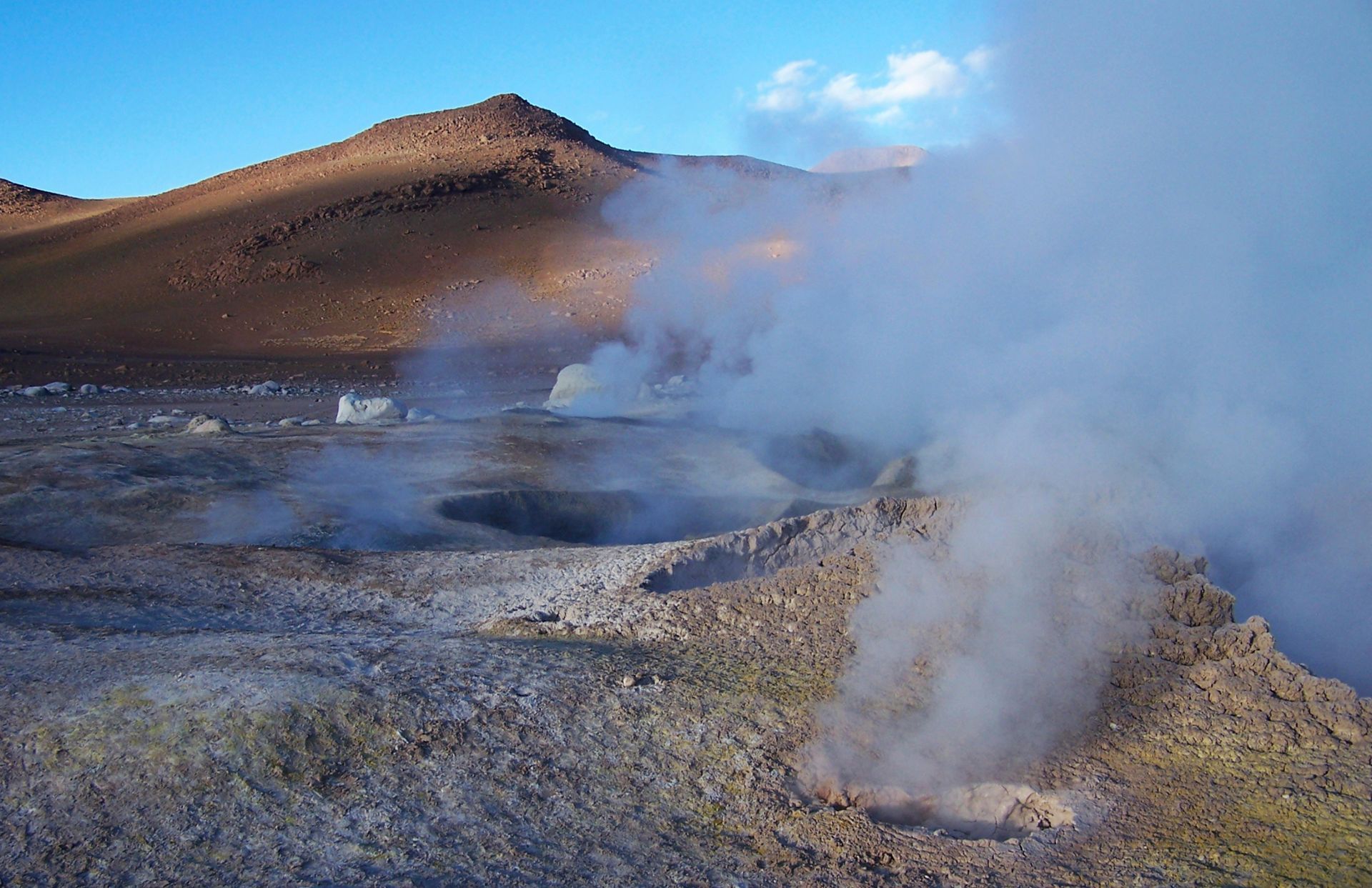
The Oil and Gas industry has developed for decades Geophysics technologies to explore and produce safely underground resources. With the Energy Transition emergence, players are facing new challenges, technical, financial but also for social acceptance or regulatory obligations. Carbon Capture and Storage (CCS) needs to characterize depleted hydrocarbon fields but also saline aquifers. Injection and storage must be safely deployed and monitored publicly. H2 exploration and production request innovative technologies. Geothermal faces imaging and producing challenges. Solar and wind production must address geotechnical optimization, like Hydraulic and mining activities do also. Revisiting our traditional seismic or non seismic methods for new objectives, learning from the ongoing demonstration CCS projects and EOR experiences are examples of opportunities to capitalize on what could be used in an innovative way.
Lead Organizer
Michel Verliac, TotalEnergies
Co-Organizer(s)
Nimisha Vedanti, National Geophysical Research Institute
Erkan Ay, Consultant
Joel Le Calvez, SLB
Daisy Ning, Michigan Technological University
Amir Gadheri, SINTEF
Sherilyn Williams-Stroud, Texas A&M University
Contact
See More Workshops
W-1: 4D FWI for Reservoir MonitoringFriday, 21 August 8:30 a.m.–12:00 p.m.
W-2: Agentic AI and Large Language Models (LLMs) in Geophysical ApplicationsFriday, 21 August 8:30 a.m.–12:00 p.m.
W-3: AI Applied to Mining GeophysicsFriday, 21 August 8:30 a.m.–12:00 p.m.
W-4: Applying lessons learned from Oil & Gas Geophysics to Energy Transition ChallengesFriday, 21 August 8:30 a.m.–12:00 p.m.; 1:30 p.m.–5:00 p.m.
W-5: Automated Mineral Classification: Transforming Mineralogy into Operational IntelligenceFriday, 21 August 8:30 a.m.–12:00 p.m.
W-6: Autonomous Energy Geoscience: Digital Twins, Physics-Informed AI, and Intelligent AutomationFriday, 21 August 1:30 p.m.–5:00 p.m.
W-7: Combined Active and Passive Seismic Monitoring of Subsurface ProcessesFriday, 21 August 8:30 a.m.–12:00 p.m.
W-8: Critical Minerals and Rare Earth Elements (REEs): Technologies and other ConsiderationsFriday, 21 August 1:30 p.m.–5:00 p.m.
W-9: Elastic Multi-parameter FWI: Where are we?Friday, 21 August 8:30 a.m.–12:00 p.m.
W-10: FWI Hackathon ShowcaseFriday, 21 August 1:30 p.m.–5:00 p.m.
W-11: Geophysical Models of Magmatic and Amagmatic Rifted Continental MarginsFriday, 21 August 8:30 a.m.–12:00 p.m.; 1:30 p.m.–5:00 p.m.
W-12: Key Business and Technology Enablers and Barriers of the Geothermal Industry in 2026Friday, 21 August 8:30 a.m.–12:00 p.m.
W-13: Modern Geophysical Inversion: Bridging Physics, AI, and ApplicationsFriday, 21 August 1:30 p.m.–5:00 p.m.
W-14: Optical fibers: What is next? Acquisition, Data, and ProductsFriday, 21 August 1:30 p.m.–5:00 p.m.
W-15: Seismic Signal Processing in the AI Era: Integration or Replacement?Friday, 21 August 8:30 a.m.–12:00 p.m.
W-16: Subsurface Integration: What’s Working, What’s Missing, and What Can We Change?Friday, 21 August 1:30 p.m.–5:00 p.m.
W-17: Surface to Subsurface: Drone-Enabled Analog Studies for Reservoir CharacterizationFriday, 21 August 1:30 p.m.–5:00 p.m.
W-18: The Role of Seismic Gathers in the Era of FWIFriday, 21 August 1:30 p.m.–5:00 p.m.