This workshop explores how automated mineral classification has evolved from specialized laboratory analysis into a fast-paced decision engine for subsurface energy workflows. Participants will learn how modern platforms—from SEM-based mapping to LIBS scanning and machine learning—deliver consistent, scalable mineralogical data tied to reservoir quality, geomechanics, and completion design. The course emphasizes practical integration strategies, connecting mineral and texture outputs to operational decisions in petroleum, geothermal, and critical minerals applications through calibration, prediction, and optimization workflows.
Materials Covered and Skills Gained
• Technology Platforms and Capabilities - Review the evolution from SEM-EDS automated mineralogy to LIBS scanning and machine learning-enhanced classification, understanding how each platform delivers mineral maps, modal mineralogy, and texture data at different scales and speeds.
• Operational Integration and Workflow Design - Learn how automated mineral classification fits into subsurface workflows through calibration of petrophysical models, prediction of reservoir quality and geomechanical behavior, and optimization of completion and stimulation strategies. Pore Architecture and Fracture Characterization - Explore how automated classification quantifies pore placement, pore throat controls, and mineral-specific occlusion patterns, while mapping fracture-fill mineralogy and overgrowth fabrics that influence permeability and completion effectiveness.
• Implementation Best Practices and Pilot Programs - Develop practical strategies for launching focused pilots aligned to operational decisions, including sample selection, QC protocols, cross-disciplinary integration, and translating mineral data into actionable subsurface intelligence.
 W-1: 4D FWI for Reservoir Monitoring
 W-2: Agentic AI and Large Language Models (LLMs) in Geophysical Applications
 W-3: AI Applied to Mining Geophysics
 W-4: Applying lessons learned from Oil & Gas Geophysics to Energy Transition Challenges
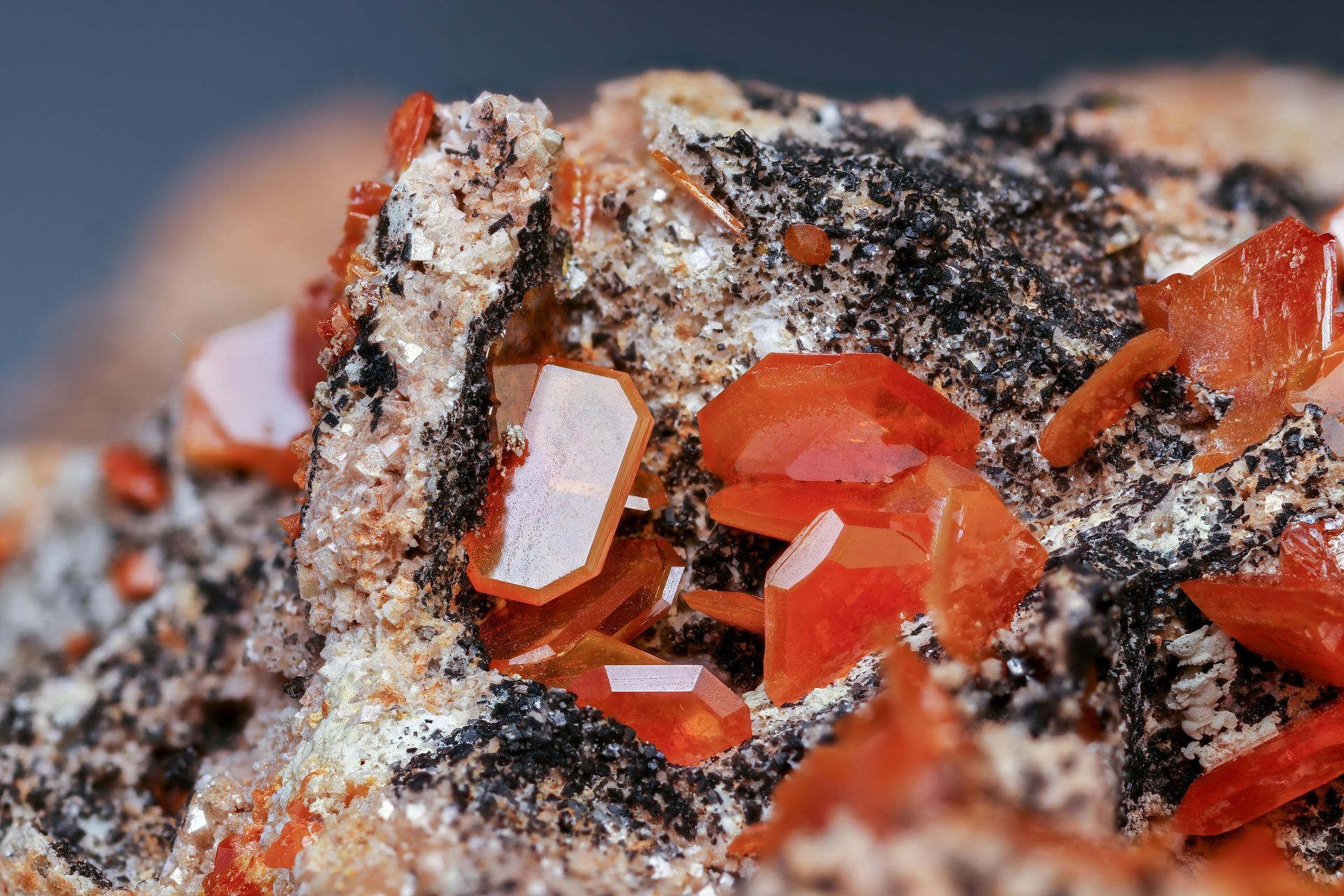 W-5: Automated Mineral Classification: Transforming Mineralogy into Operational Intelligence
 W-6: Autonomous Energy Geoscience: Digital Twins, Physics-Informed AI, and Intelligent Automation
 W-7: Combined Active and Passive Seismic Monitoring of Subsurface Processes
 W-8: Critical Minerals and Rare Earth Elements (REEs): Technologies and other Considerations
 W-9: Elastic Multi-parameter FWI: Where are we?
 W-10: FWI Hackathon Showcase
 W-11: Geophysical Models of Magmatic and Amagmatic Rifted Continental Margins
 W-12: Key Business and Technology Enablers and Barriers of the Geothermal Industry in 2026
 W-13: Low-cost Monitoring for Oil and Gas Production and Emerging Energies
 W-14: Optical fibers: What is next? Acquisition, Data, and Products
 W-15: Seismic Signal Processing in the AI Era: Integration or Replacement?
 W-16: Subsurface Integration: What’s Working, What’s Missing, and What Can We Change?
 W-17: Surface to Subsurface: Drone-Enabled Analog Studies for Reservoir Characterization
 W-18: The Role of Seismic Gathers in the Era of FWI