


 W-1: 4D FWI for Reservoir Monitoring
 W-2: Agentic AI and Large Language Models (LLMs) in Geophysical Applications
 W-3: AI Applied to Mining Geophysics
 W-4: Applying lessons learned from Oil & Gas Geophysics to Energy Transition Challenges
 W-5: Automated Mineral Classification: Transforming Mineralogy into Operational Intelligence
 W-6: Autonomous Energy Geoscience: Digital Twins, Physics-Informed AI, and Intelligent Automation
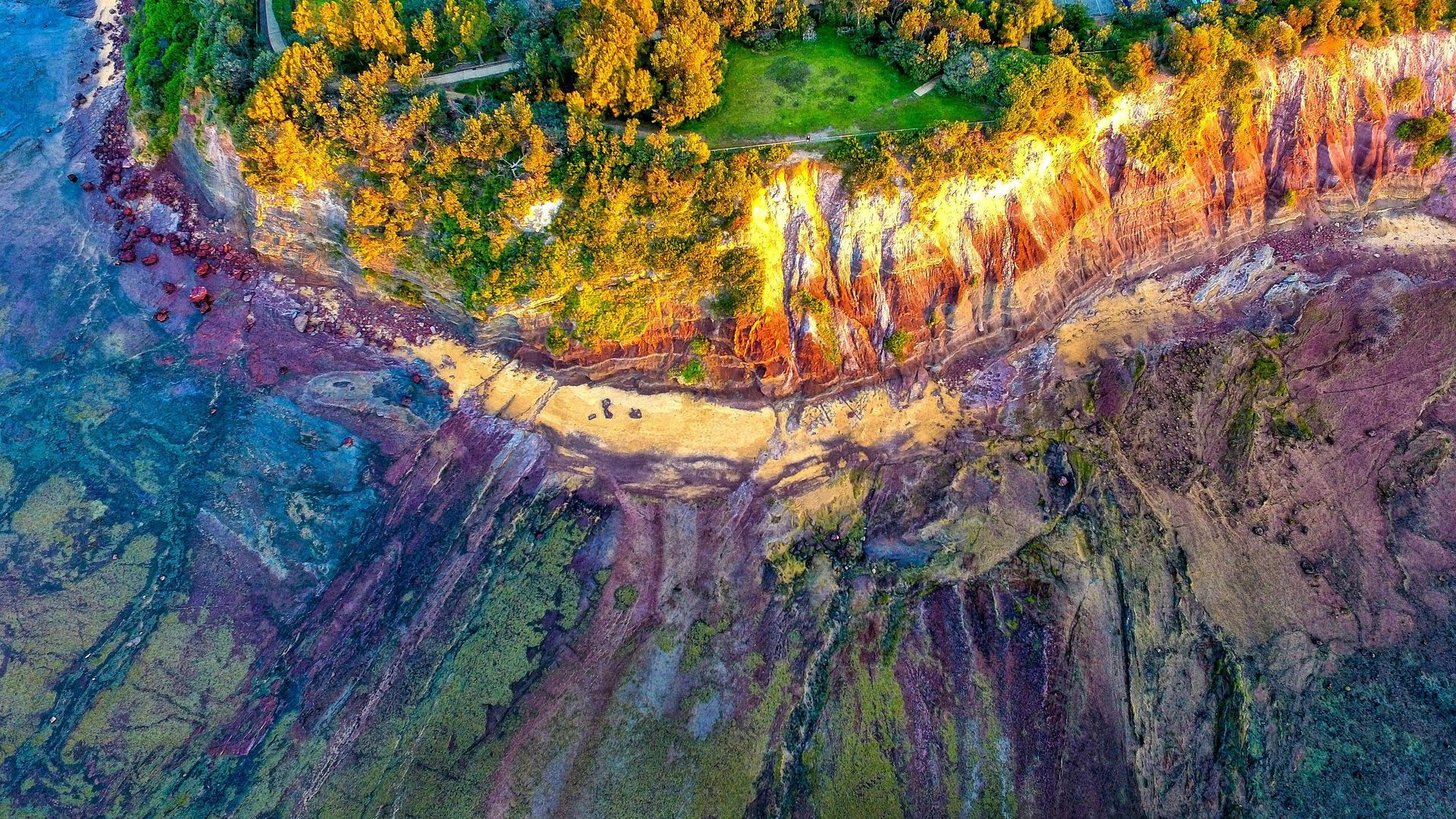 W-7: Combined Active and Passive Seismic Monitoring of Subsurface Processes
 W-8: Critical Minerals and Rare Earth Elements (REEs): Technologies and other Considerations
 W-9: Elastic Multi-parameter FWI: Where are we?
 W-10: FWI Hackathon Showcase
 W-11: Geophysical Models of Magmatic and Amagmatic Rifted Continental Margins
 W-12: Key Business and Technology Enablers and Barriers of the Geothermal Industry in 2026
 W-13: Modern Geophysical Inversion: Bridging Physics, AI, and Applications
 W-14: Optical fibers: What is next? Acquisition, Data, and Products
 W-15: Seismic Signal Processing in the AI Era: Integration or Replacement?
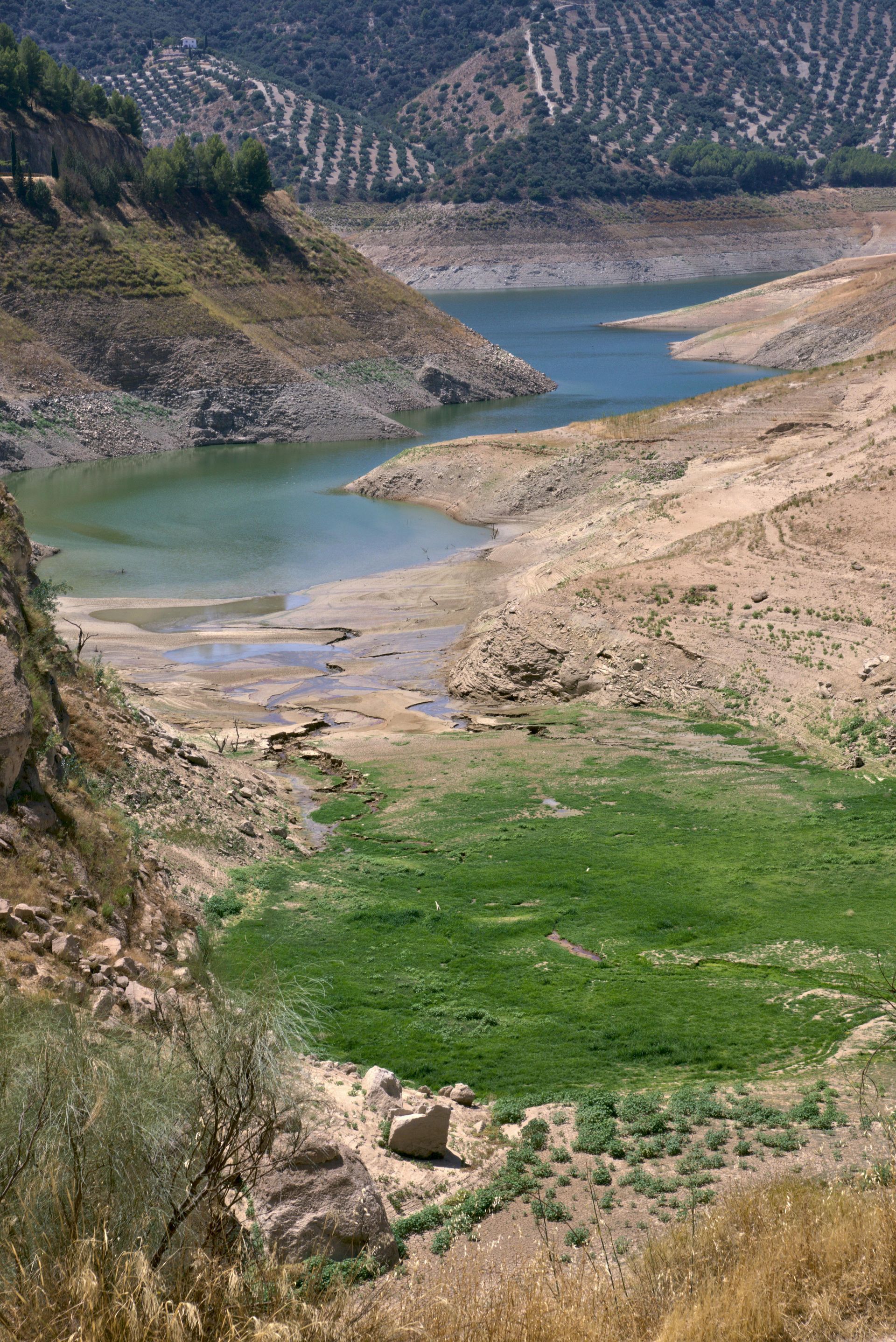 W-16: Subsurface Integration: What’s Working, What’s Missing, and What Can We Change?
 W-17: Surface to Subsurface: Drone-Enabled Analog Studies for Reservoir Characterization
 W-18: The Role of Seismic Gathers in the Era of FWI

Attend - IMAGE ’26 The World’s Top Geoscience Conference
Program
- IMAGE ’26 The World’s Top Geoscience Conference
Exhibit / Sponsor
- IMAGE ’26 The World’s Top Geoscience Conference
Exhibit
Sponsor
Make your Presence
Book Exhibit Space
Show Your Brand
Secure Sponsorship
About - The World’s Top Geoscience Conference