Despite their rapid rise in popularity, machine-learning (ML) methods for geophysical (seismic) data processing still leave open a fundamental question: do these approaches provide measurable and reproducible improvements over established signal-processing (DSP) methodologies? This question is particularly relevant for applications such as signal-to-noise ratio (SNR) enhancement, coherent-noise attenuation, land-data preconditioning, simultaneous-source processing, and data interpolation and reconstruction.
A central challenge in answering this question is the lack of agreed-upon benchmarks, reference datasets, and evaluation protocols that allow fair and transparent comparison between ML-based and traditional DSP-based approaches. This workshop aims to bring together researchers and practitioners working at the intersection of digital signal processing and machine learning in seismic data processing, with a focus on critical assessment, reproducibility, and collaboration. In particular, the workshop would like to explore the use of community datasets—such as SEAM benchmarks—as neutral testbeds for evaluating AI/ML methods against classical DSP algorithms, either competitively or in hybrid, collaborative workflows.
Key discussion topics include:
• Do ML approaches demonstrably outperform traditional DSP methods, and under what conditions (data type, noise regime, acquisition geometry, or computational constraints)?
• How can SEAM and similar open or semi-open datasets be used to define viable benchmarks, reference tests, and quantitative metrics that enable objective assessment of different processing strategies?
• What constitutes a meaningful and fair performance metric for comparing ML and DSP approaches (e.g., SNR gain, preservation of weak events, amplitude fidelity, generalization across surveys, computational cost)?
• Is there a risk of losing robust, time-tested processing frameworks that have supported seismic workflows for decades, as attention shifts toward end-to-end ML solutions?
• Are we unintentionally discouraging foundational concepts—such as predictability, sparsity, and transform-domain representations—and their associated algorithms (e.g., Levinson–Durbin recursion, prediction-error filtering, rank-reduction methods), in favor of opaque "black-box" models?
• Is there genuine synergy between DSP and ML, and how can hybrid methods be designed to combine physical insight, algorithmic transparency, and data-adaptivity?
Finally, the workshop will address whether standardized benchmarks and shared datasets can serve as a non-partisan mechanism for information exchange, enabling meaningful comparison and collaboration across academia, contractors, and energy operators of different scales, while accelerating collective progress in both AI/ML and signal-processing research.
 W-1: 4D FWI for Reservoir Monitoring
 W-2: Agentic AI and Large Language Models (LLMs) in Geophysical Applications
 W-3: AI Applied to Mining Geophysics
 W-4: Applying lessons learned from Oil & Gas Geophysics to Energy Transition Challenges
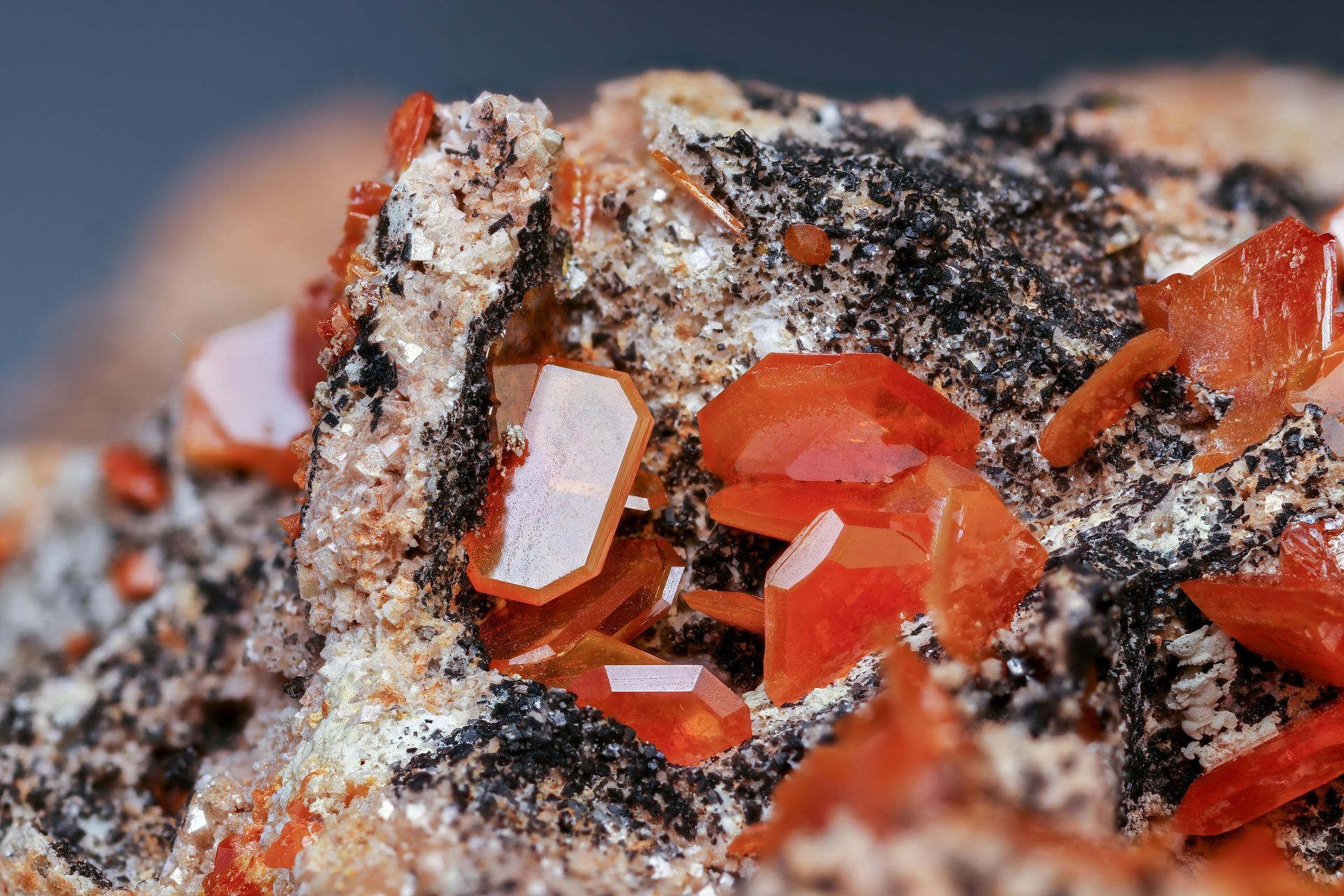 W-5: Automated Mineral Classification: Transforming Mineralogy into Operational Intelligence
 W-6: Autonomous Energy Geoscience: Digital Twins, Physics-Informed AI, and Intelligent Automation
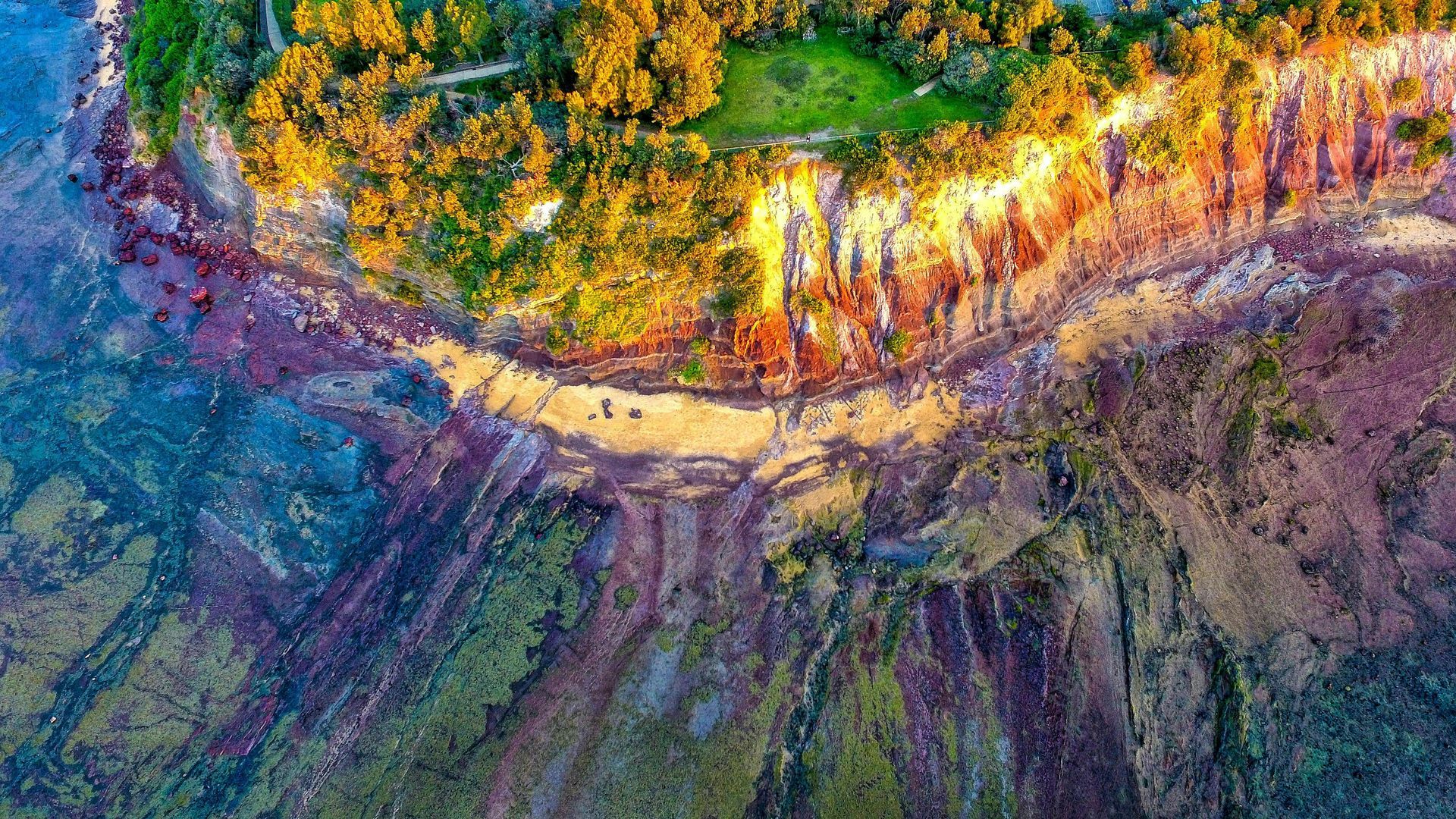 W-7: Combined Active and Passive Seismic Monitoring of Subsurface Processes
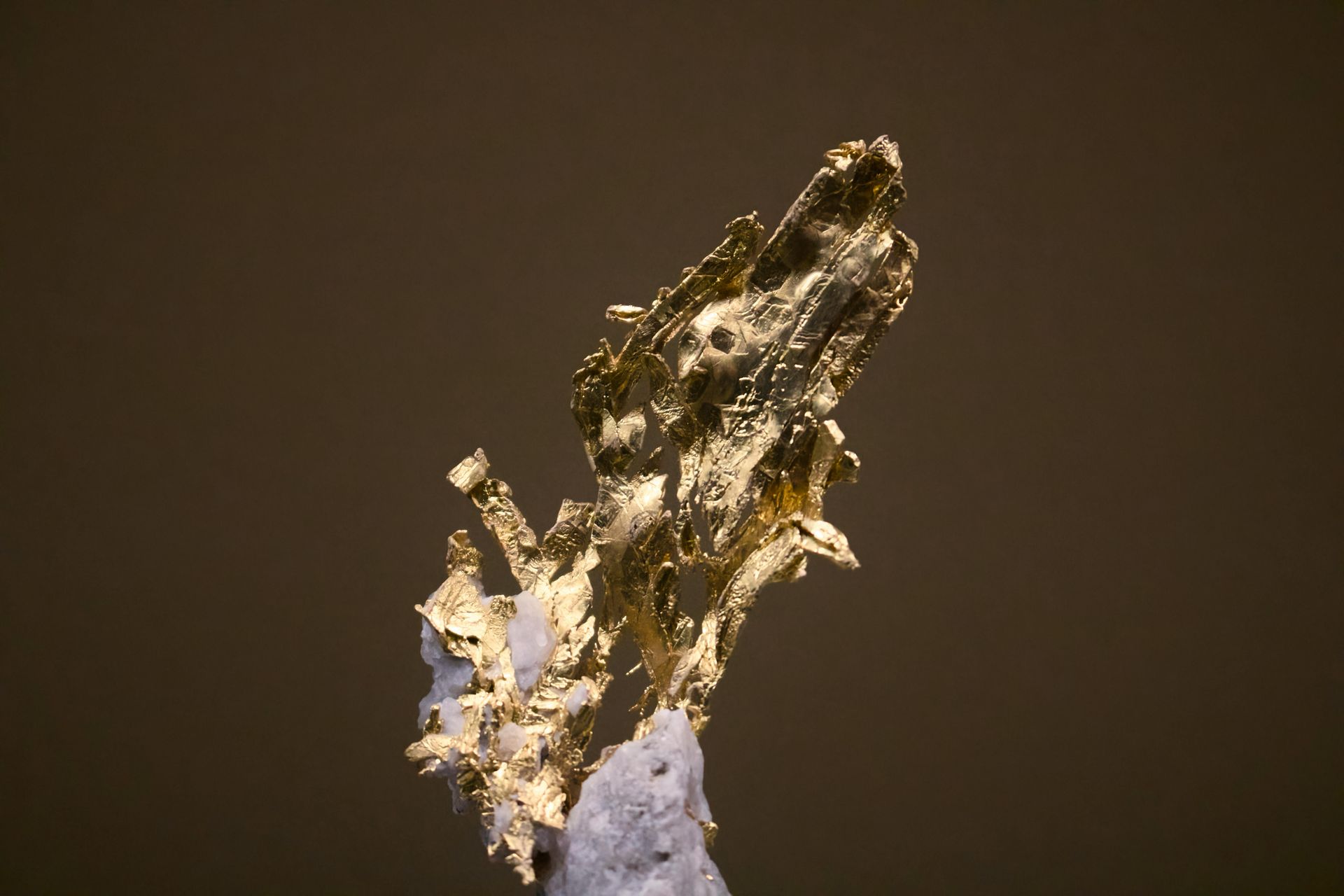 W-8: Critical Minerals and Rare Earth Elements (REEs): Technologies and other Considerations
 W-9: Elastic Multi-parameter FWI: Where are we?
 W-10: FWI Hackathon Showcase
 W-11: Geophysical Models of Magmatic and Amagmatic Rifted Continental Margins
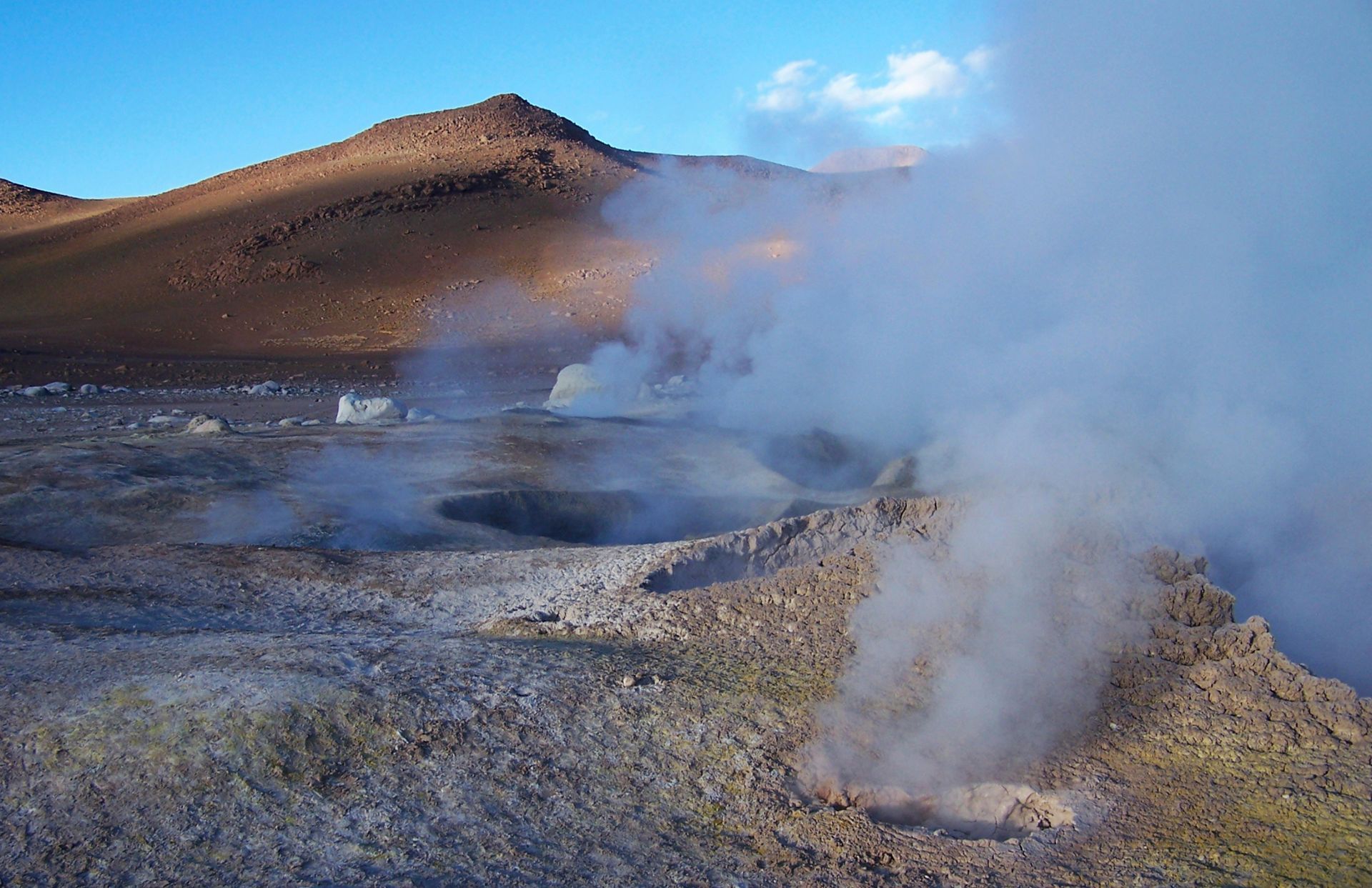 W-12: Key Business and Technology Enablers and Barriers of the Geothermal Industry in 2026
 W-13: Low-cost Monitoring for Oil and Gas Production and Emerging Energies
 W-14: Optical fibers: What is next? Acquisition, Data, and Products
 W-15: Seismic Signal Processing in the AI Era: Integration or Replacement?
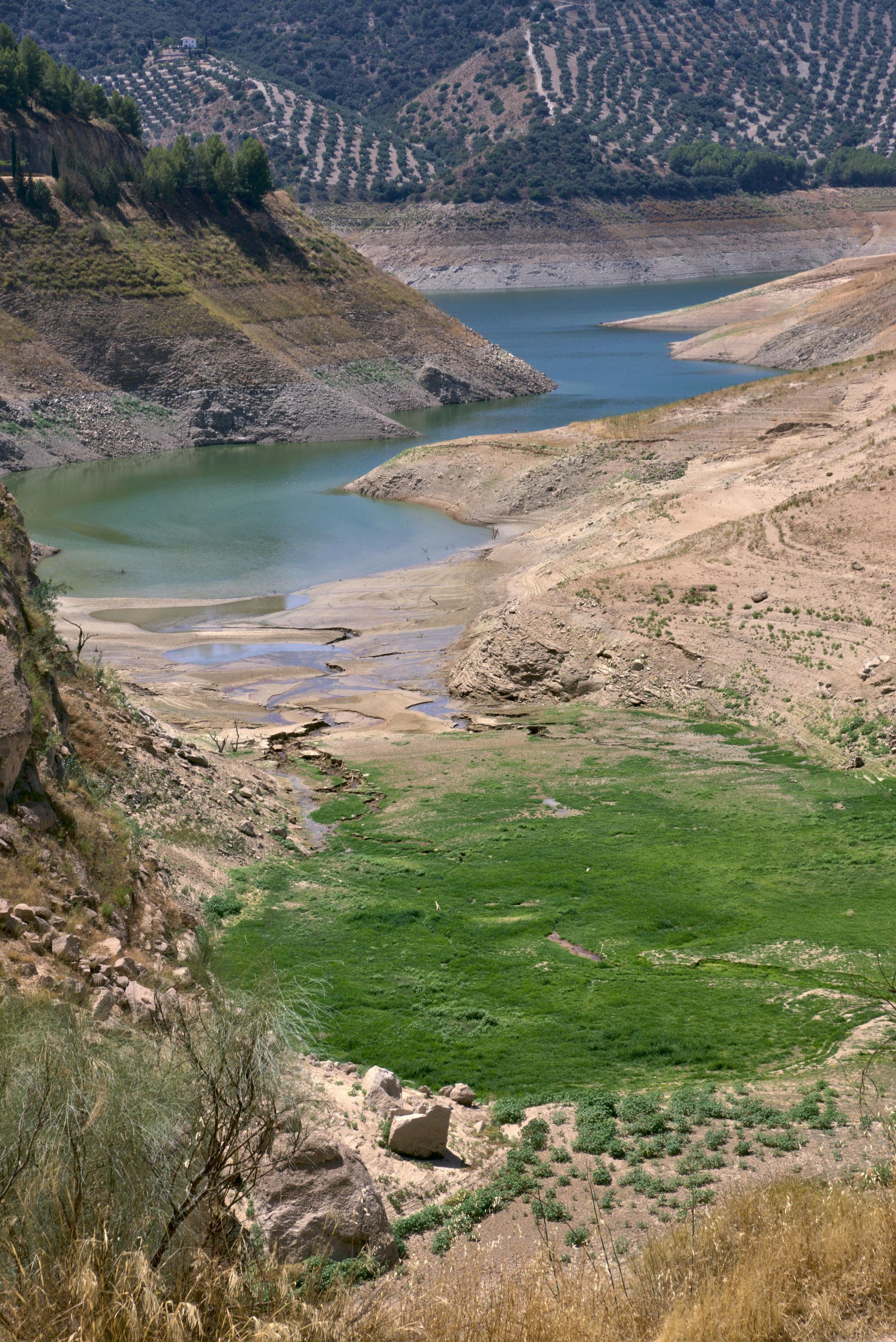 W-16: Subsurface Integration: What’s Working, What’s Missing, and What Can We Change?
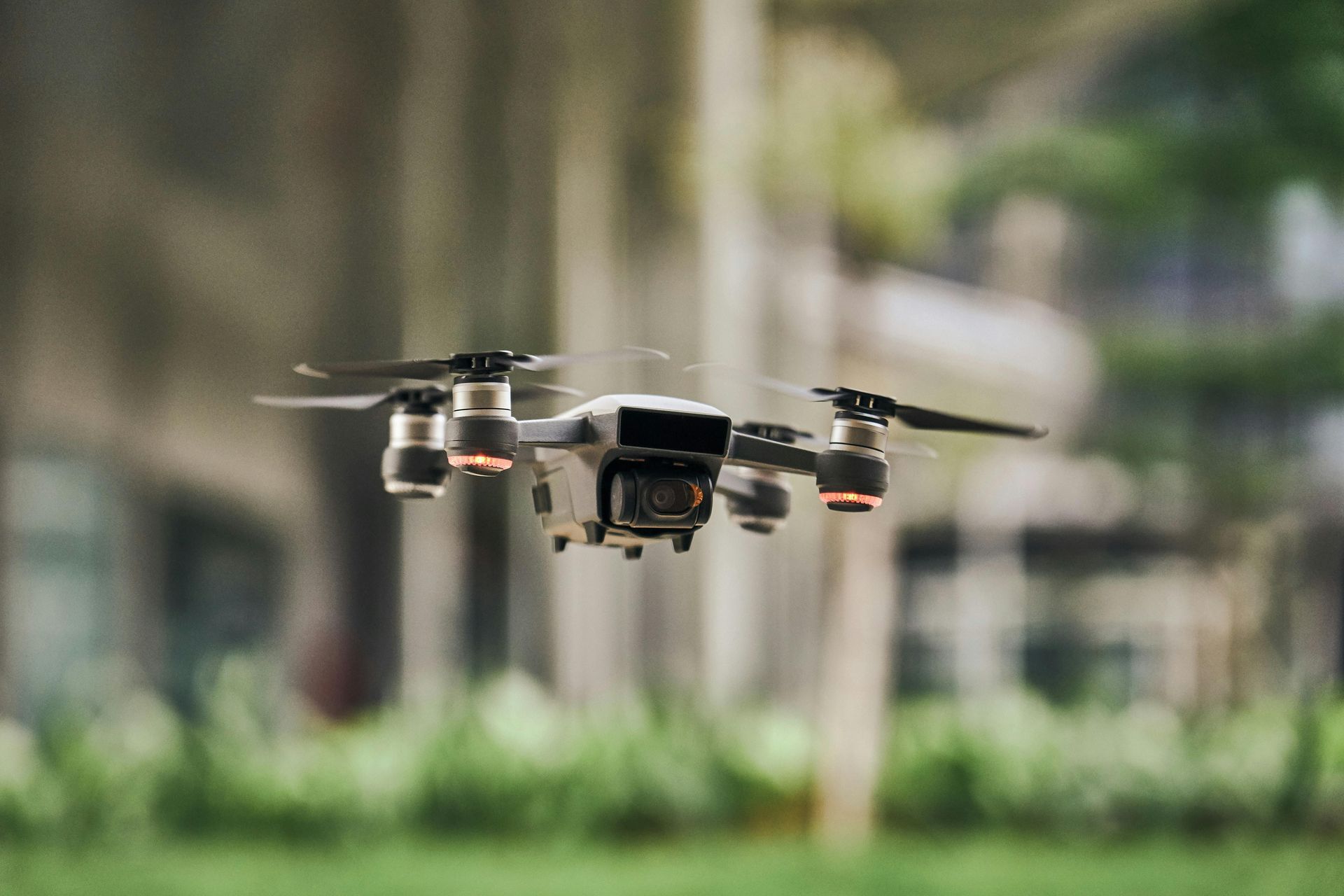 W-17: Surface to Subsurface: Drone-Enabled Analog Studies for Reservoir Characterization
 W-18: The Role of Seismic Gathers in the Era of FWI