Geophysical monitoring plays a crucial role in the safe and efficient development of future energy resources. In established oil and gas operations, as well as in newer domains such as geological energy storage and geothermal systems, monitoring provides the practical evidence needed to understand reservoir behavior, verify containment integrity, and assess long term performance.
In practice, however, the scope of monitoring is often constrained by cost, logistics, and operational complexity. Even where the value-of-information is well understood, these constraints can limit spatial coverage and reduce the frequency with which measurements can realistically be repeated. Over the last decade, this balance has begun to shift. Advances in sensing technologies, acquisition strategies, and data integration have made it increasingly feasible to design monitoring programs that are both technically robust and economically sound. Permanent and semi permanent sensor installations, purpose designed seismic acquisition programs, and the growing integration with multi physics approaches are now being applied to track subsurface change with greater accuracy, continuity, and confidence.
At the same time, new deployment concepts are expanding the range of practical monitoring options. Distributed sensing, drone based surveys, and the use of autonomous vehicles are enabling targeted measurements in settings where conventional approaches would be difficult or prohibitively expensive. These methods are particularly relevant for specific onshore monitoring programs and for reducing operational overhead in offshore and marine environments.
Taken together, these developments point towards a more pragmatic and scalable approach to geophysical monitoring—one that emphasizes fit for purpose solutions, wider areal coverage, and cost realism across the energy sector.
This SEG post convention workshop will bring together researchers, industry practitioners, and technology developers to examine recent progress in low cost, safe, sustainable, and scalable monitoring solutions for both conventional and emerging energy applications. The program will focus on field experience, real world case studies, and integrated monitoring strategies, with the aim of sharing lessons learned from successes, surprises, and failures - highlighting approaches that are already transitioning from research into operational use.
 W-1: 4D FWI for Reservoir Monitoring
 W-2: Agentic AI and Large Language Models (LLMs) in Geophysical Applications
 W-3: AI Applied to Mining Geophysics
 W-4: Applying lessons learned from Oil & Gas Geophysics to Energy Transition Challenges
 W-5: Automated Mineral Classification: Transforming Mineralogy into Operational Intelligence
 W-6: Autonomous Energy Geoscience: Digital Twins, Physics-Informed AI, and Intelligent Automation
 W-7: Combined Active and Passive Seismic Monitoring of Subsurface Processes
 W-8: Critical Minerals and Rare Earth Elements (REEs): Technologies and other Considerations
 W-9: Elastic Multi-parameter FWI: Where are we?
 W-10: FWI Hackathon Showcase
 W-11: Geophysical Models of Magmatic and Amagmatic Rifted Continental Margins
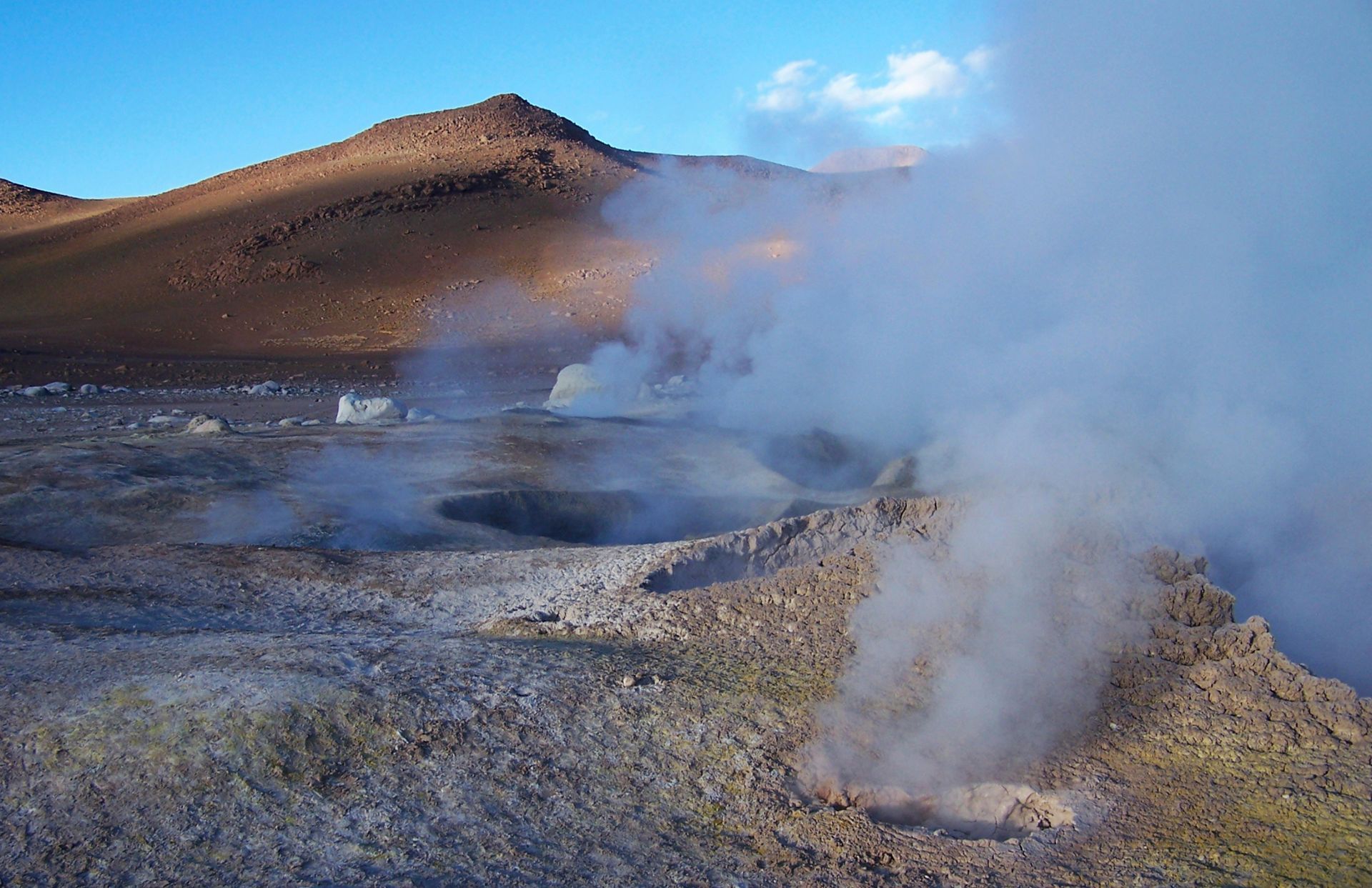 W-12: Key Business and Technology Enablers and Barriers of the Geothermal Industry in 2026
 W-13: Low-cost Monitoring for Oil and Gas Production and Emerging Energies
 W-14: Optical fibers: What is next? Acquisition, Data, and Products
 W-15: Seismic Signal Processing in the AI Era: Integration or Replacement?
 W-16: Subsurface Integration: What’s Working, What’s Missing, and What Can We Change?
 W-17: Surface to Subsurface: Drone-Enabled Analog Studies for Reservoir Characterization
 W-18: The Role of Seismic Gathers in the Era of FWI